
Data Intensive Applications
Just as users become more familiar and acquainted with tablets and smartphones, device based applications are becoming more common. These devices are already very data intensive in the sense that they are always connected to the internet through the mobile carriers 3G or 4G service or a wireless broadband connection available through cable providers.
They are constantly updating themselves, by updating the users email status, their social media updates, the weather, the news and so many things. All these things that these devices keep updating are applications and not just any type of applications; most of these are highly data intensive applications.
The weather forecast application will hold the forecast data of at least the next one to two weeks. Social media applications like Facebook and Twitter, will constantly update the user with the latest stories, status updates and check-ins. News applications will constantly update and record the latest news or the subscribed news channels, magazines and papers. Then there are online video streaming applications that are highly data intensive and popularly used by users.
Effect of Data Intensive Applications on Mobile Carriers
Social media applications are the most accessed application on mobile phones. According to an estimate every mobile user spends at least 9 minutes on each social media application per day on an average. This has translated into less use of text messaging services via the mobile carrier’s service. This fall in the use of text messages has translated into loss of revenue for mobile carriers from text messaging to social media messaging.
This is compensated when mobile phone users subscribe to their mobiles carriers data plans and use it to update their installed data intensive applications on a regular basis. This not only compensates for the loss of text messaging revenue to social media messaging, but it actually earns the mobile carriers revenue way above that is lost.*
Business Models to Support Data intensive Applications
Unfortunately not all users use the mobile carriers 3G or 4G data plans to access these social media or other data intensive applications. A lot of the users use the wireless broadband connections 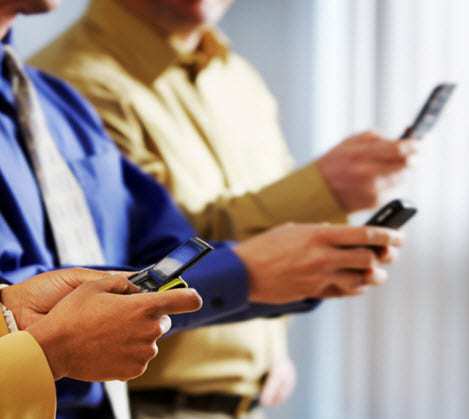 available through cable providers that they find at work, home, and cafés and at other public Wi-Fi hot-spots. The reason is that either their mobile carrier is not offering an affordable data plan or they don’t want to subscribe for the fear of increased mobile bills.
Mobile carriers need to start targeting specific data intensive applications and form plans around them. Just like mobile carriers are offering the Blackberry Messenger (BBM) services through a package, they can also offer access to certain application like Facebook Messenger (FBM), GTalk, Twitter Updates, and similar applications on an individual basis. If they create a business model that caters to these individual services then they could have a vast reach to smartphone users.
Similar models are already being deployed in developing my mobile carriers where mobile phone users subscribe to separate application services. This way they don’t have to subscribe to a whole monthly data usage plan when they might only want to use one or two social media applications.
Another possibility is that they could develop their own application for their network users to download to their devices. The users can then be given access to a number of social media and other commonly used platforms through their application. The users will have the convenience of finding all of their most used applications through one application. The mobile carrier will make sure that users use its application to access the data intensive applications.
User behavioral patterns provide opportunities for advertisements by targeted advertising modules. This information can be traded with marketing research or advertising agencies to generate new avenues of earning revenue.
*Conclusion*
Data intensive applications are the next big thing. Users seem to be less concerned about the fact that the applications that they use are data intensive. They are more concerned with using those applications because they are the social norm. Mobile carriers need to adapt to this changing use of mobile phones and build suitable business models around it. Today, they have only lost revenues from text messaging to social media messaging, but if they don’t adapt soon they might lose a lot more than this.
